
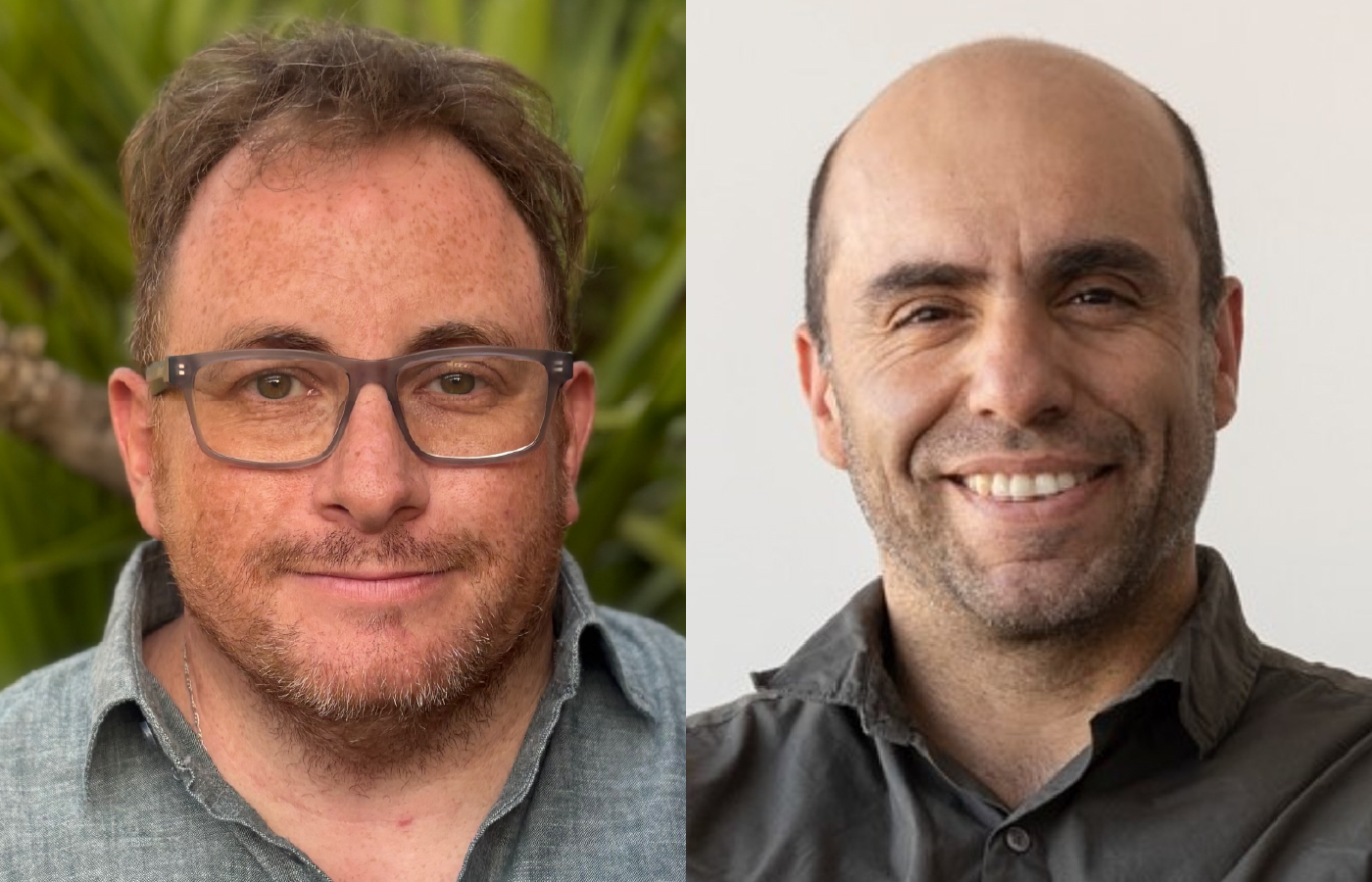
Cultivating Applied Neuromuscular Research in Latin America
The De Luca Foundation is excited to announce the winners of this year’s Applied EMG Award, our program designed to support EMG research in Latin America. Applicants were tasked with producing an innovative project proposal for EMG-focused research in sports, rehabilitation, or physiotherapy.
The results are in, and the winners of the Applied EMG Award have been chosen! The De Luca Foundation received 40 unique applications from 9 different countries in Latin America. The project proposals were inspiring, spanning from sports training applications to prosthesis-based rehabilitation, highlighting the creativity and depth of Latin America’s EMG research community. The selected applications were chosen above the rest for their novelty, feasibility, and potential for broad impact.

An important part of the De Luca Foundation's commitment to advancing the movement sciences is to see that resources are equitably distributed to countries around the world. We are proud to help support the growth of research by placing cutting edge technology into the hands of scientists who are already making a difference for their country and the world."
Prof. Serge Roy, Senior Scientific Advisor, De Luca Foundation
Introducing the Winners...
Gabriel Carreño-Zillmann
PhD Candidate
Universidad Adolfo Ibáñez, Chile
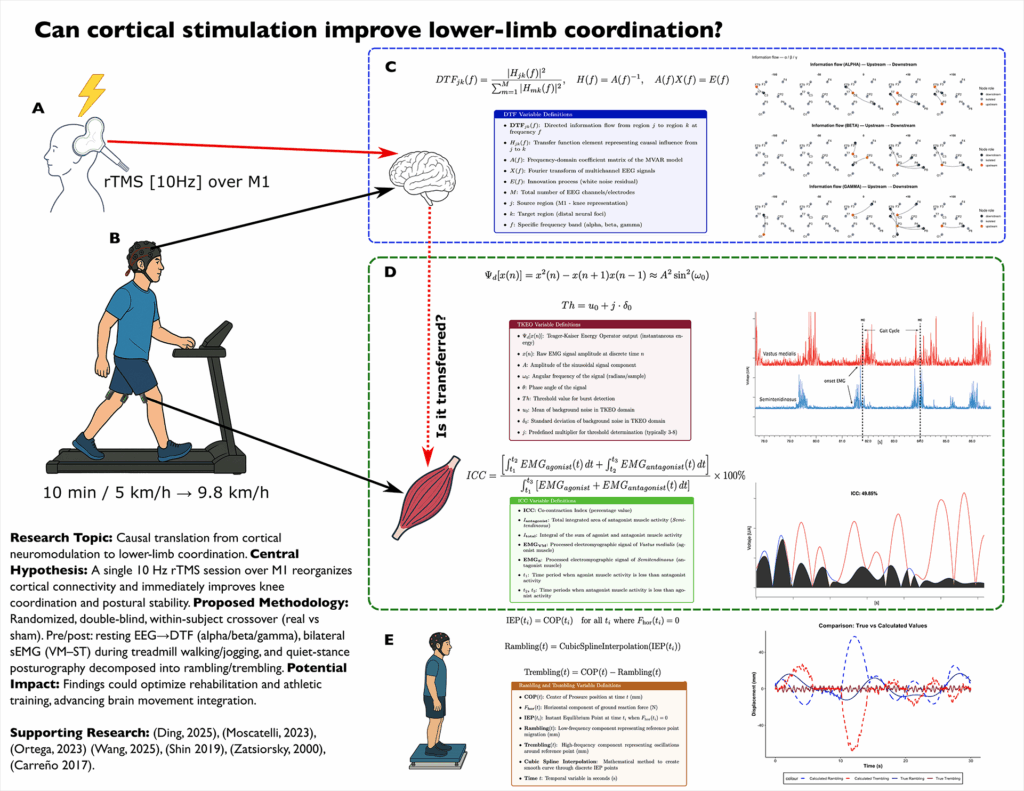
Can cortical stimulation improve lower-limb coordination?
Combining EEG, TMS, and EMG, Mr. Carreño’s research examines the impact of neuromodulation on cortical reorganization of the lower limbs. His aim is to establish a causal relationship between stimulation and improved knee coordination and postural control, which has important implications for sports performance training and gait rehabilitation. EMG plays a critical role, allowing Carreño to assess timing and co-contraction of the knee flexors and extensors.
Gonzalo Varas Diaz
Assistant Professor
Pontifica Universidad Católica de Chile
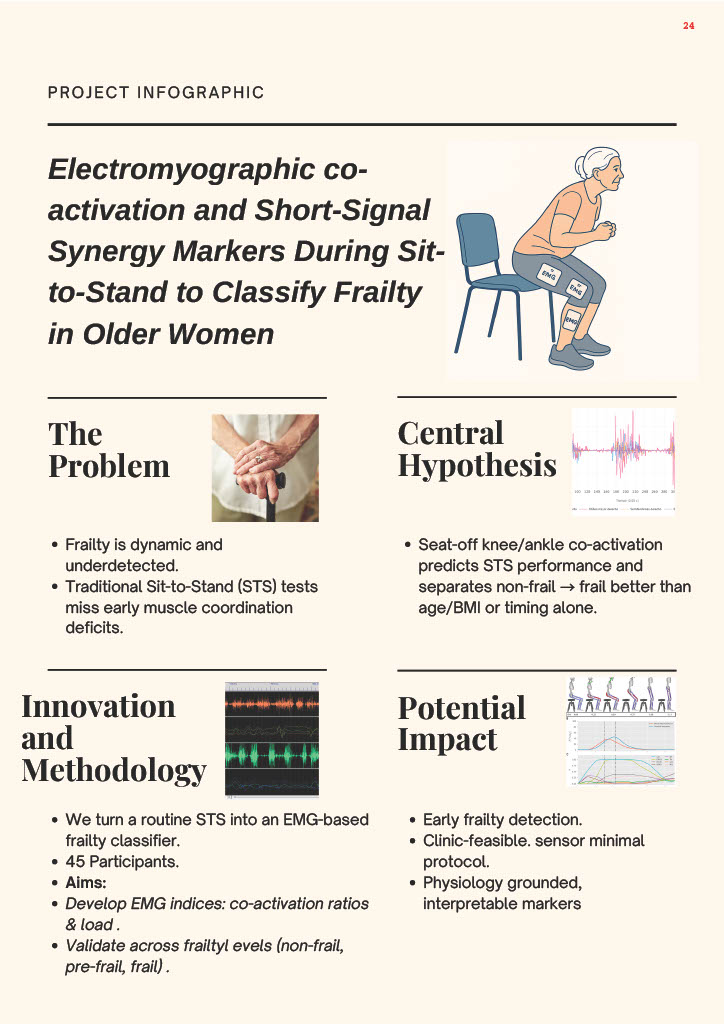
Electromyographic co-activation and Short-Signal Synergy Markers During Sit-to-Stand to Classify Frailty in Older Women
Prof. Varas’ research paradigm introduces EMG to the sit-to-stand test, a common clinical assessment for measuring frailty in geriatric women. Current sit-to-stand testing is completely visual, limiting its ability to detect early signs of frailty. Through EMG, Varas will measure co-activation scores at the knee and ankle to produce a score that can be used to classify the level of frailty. He plans to release open-source algorithms, allowing clinical practitioners to easily utilize and interpret EMG data in sit-to-stand assessments.
Congratulations to everyone who submitted an application for the Applied EMG Award! We are excited to see fantastic engagement from the Latin America research community, and we look forward to continuing our support through national and worldwide initiatives. To stay up to date with the latest De Luca Foundation news and to learn about our upcoming programs, sign up for our newsletter.