
Access to Science
Elevating India's Research Landscape, One Scholar at a Time.
Application Closes: 31 October 2026
What is Access to Science?
A financial and equipment supplement grant
Designed to provide funds and EMG equipment to eligible doctoral students and associated research institutes across India, Access to Science supports fundamental and applied research in human movement sciences. Inspired by Smt. Bhagyamma B.’s belief that talent has no postal code, the program is aimed at empowering aspiring doctoral students with tools and resources to advance innovative ideas and discoveries through learning and collaboration.
Our Goal
The De Luca Foundation supports researchers and students around the world with a single purpose: fostering research and innovation in Electromyography and Human Movement Sciences.
In extending that mission to India’s next generation of doctoral researchers, we see an extraordinary opportunity. Advancements in rehabilitation, neuromuscular control, biomechanics, and human-machine interaction emerging from Indian institutions have the potential to accelerate discovery and translation across the global research community, and Access to Science is how we invest in that potential.
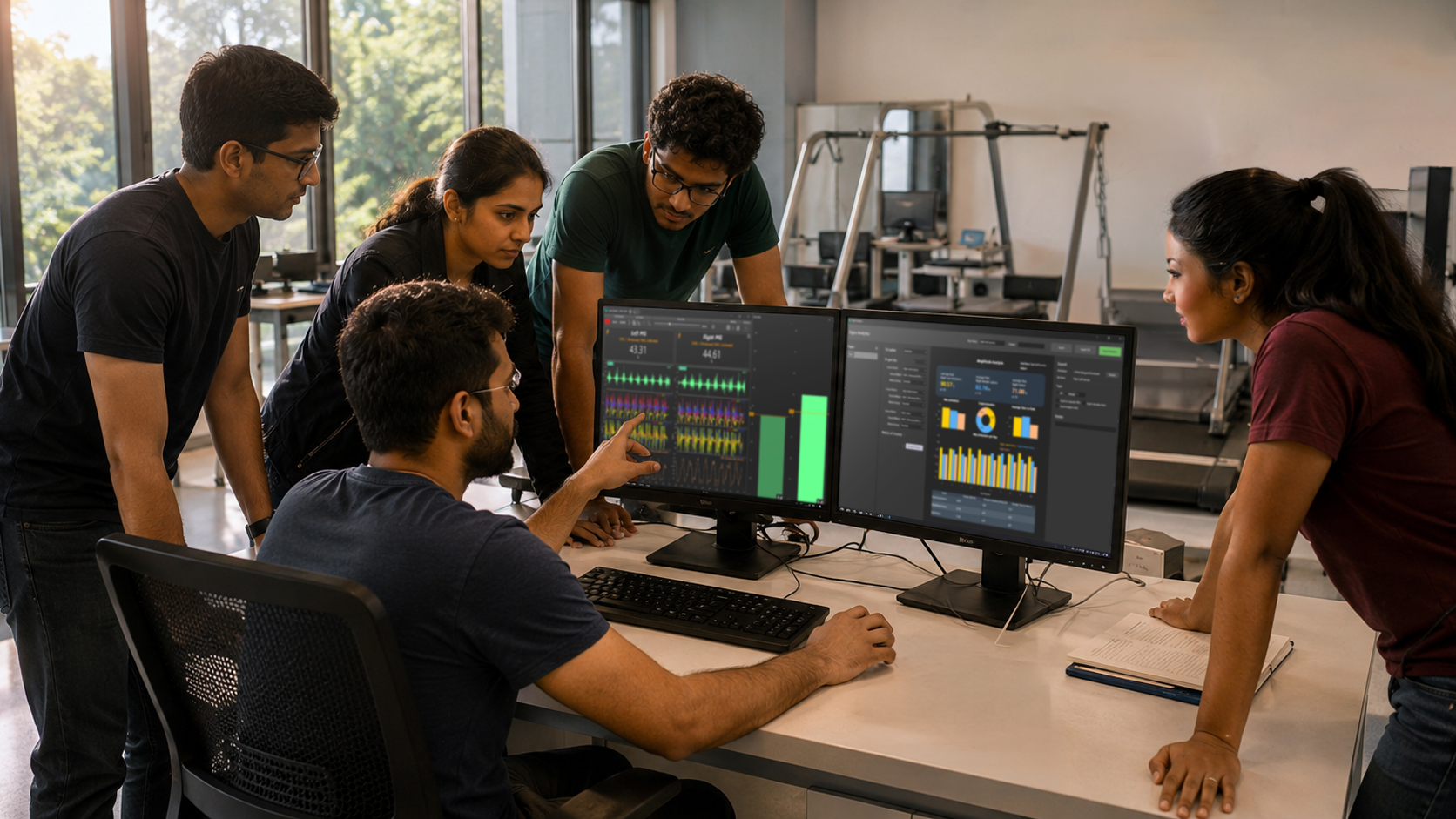
Areas of Focus
Research proposals must address one of the following human movement science topics.
Engineering Sciences
- Extended Reality (XR)
- Human-Robot Collaborations
- Neural-interfacing
- Wearable Robotics (Assistive and/or Rehabilitation)
Applied Health Sciences
- Athletic Training & Performance Optimization
- Clinical Biofeedback
- Injury Prevention & Rehabilitation
- Muscle Physiology
- Sport Science
Applicant Eligibility
The program welcomes applications through two distinct pathways. Candidates should identify the pathway that best reflects their current academic or professional position.
If you answer YES to the questions of either pathway, you are eligible to apply for the Access to Science program.

Pathway A
Direct Entry Candidates
For recent graduates entering a PhD program
- Do you hold an ME, MTech MS, or M.Sc. in engineering sciences or applied health sciences (eg: Sports and Exercise Science, Biomechanics, Physiotherapy, or Exercise Physiology)?
- Are you a recent graduate who intends to pursue a PhD but has not yet secured admission?
- Are you pursuing/planning to pursue relevant research studies at an emerging or financially resource-constrained laboratory?
- Have you been accepted into a PhD program within the past 12 months of graduation?
- Is your proposed research focused on one of the program's supported Areas of Focus?
- Do you have demonstrated financial need?
Pathway B
Prior Research Experience Entry Candidates
For researchers already working towards a PhD
- Do you hold an ME, MTech MS, or M.Sc. in engineering sciences or applied health sciences (eg: Sports and Exercise Science, Biomechanics, Physiotherapy, or Exercise Physiology)?
- Are you currently working in an established Applied Neuromuscular Research facility?
- Are you pursuing relevant research studies at an emerging or financially resource-constrained laboratory?
- Have you been actively working on an ongoing research project for a minimum of 12 months?
- Is your research focused on one of the program's supported Areas of Focus?
- Do you have demonstrated financial need?
Qualifying Degree Programs:
- MTech
- MTech – Biomedical Engineering
- MTech – Computer Sciences
- MTech – Electrical Engineering
- MTech – Mechanical Engineering
- MSc – Exercise Sciences
- MSc – Kinesiology
- 5-yr integrated MTech
- 5-yr UG–PG Dual Degree
All degrees must be from a nationally recognized or accredited public or private university in India.
Application Process
Applications are submitted electronically by the candidate or the Department of the institution where the candidate intends to pursue (or is currently pursuing) doctoral study.
The following steps outline the process.
1
Confirm eligibility.
Review Applicant Eligibility Pathway A or Pathway B criteria and ensure all academic and research requirements are met before preparing your application package.
2
Gather required documents:
Research Proposal
Complete the official Access to Science Research Proposal outlining the planned research goals and intended work.
Candidate Biosketch
Complete the official Access to Science Candidate Biosketch.
Department Letter
Formal letter from the Department addressing the following topics:
- Justification for the Need for Supplemental Funding
- Research Training
- Conference Travel
- Host PhD Student-led Workshop/ Seminar
- Fees/Boarding /Misc. Allowances
- Fees & Stipend Subsidies Currently Awarded
- Supervisor Name & Proposed Research Topic
Justification for Funding
In addition to the department letter, applicants must complete the provided Justification for Funding document, a fillable template for itemized budget figures.
3
Submit the application package.
Submit all electronic files to the De Luca Foundation via the application portal before the 31st of October 2026 deadline.
4
Await review and notification.
Applications are reviewed by the the De Luca Foundation’s Access to Science Review Board Members. Shortlisted candidates and their institutions will be contacted directly with the next steps.
Criteria for Evaluation
The Access to Science Review Board Members evaluate each application.
The following factors are weighted in the review process.
Academic Merit
Research Alignment
Financial Need
Research Experience
Supervisory Support
Clarity of Vision
Preference is given to candidates from economically challenged backgrounds and to MS students already embedded in an active biomechanics research program.
Funding Your Future
Each scholar receives direct financial assistance and an EMG system to power their doctoral research.
₹10 lakh INR
Financial Assistance
- Tuition/boarding
- Research training & upskilling
- PhD student-led collaborative workshops
- Conference travel
₹10 lakh INR
Research Equipment
Delsys EMG system to be used in combination with auxiliary or supplementary equipment selected in consultation with the PhD supervisor.
Review Board Members
The selection committee evaluates each application using the Criteria for Evaluation.
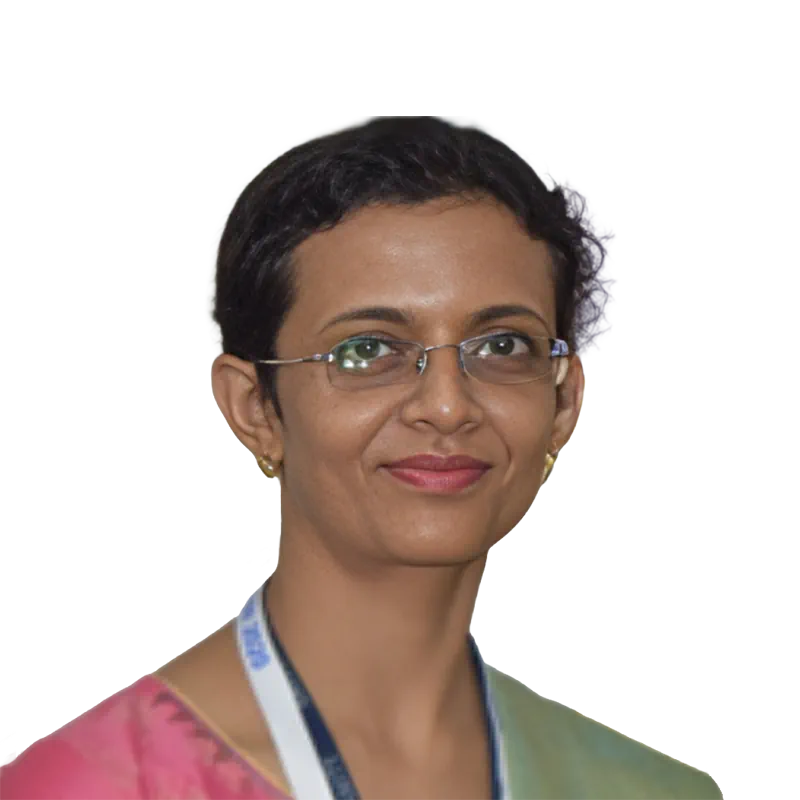
Rinki Gupta
Professor
Amity School of Engineering and Technology, Amity University Uttar Pradesh, India
- Artificial Intelligence (AI)
- Deep Learning
- Human Motion Analysis
- Time-series Data Analysis
- Wearable Sensor-based Applications
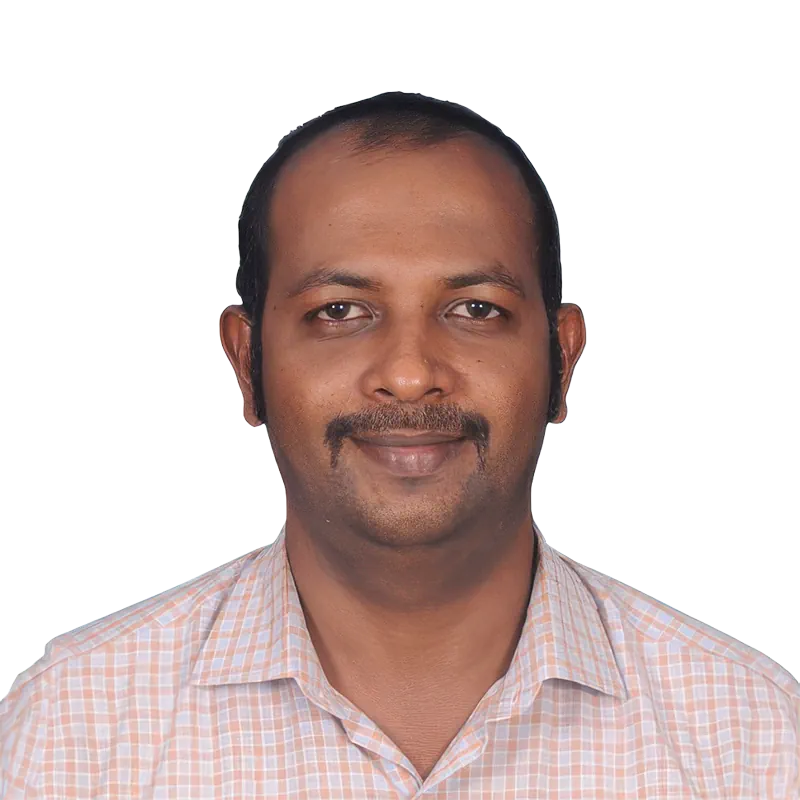
Edward Jero SJR
Assistant Director
Centre for Human Movement Analytics, VIT Chennai
- Biosignals
- Machine Learning & Assistive Devices
- Signal Processing

Mohanvelu K
Associate Director
Biomed Tech, DEBEL, DRDO, Ministry of Defense, India
- Augmented Cognition
- Brain Control Interface
- Neuro-Robotic Dynamics
- Wearable Exoskeleton
- Wearable Health Monitoring
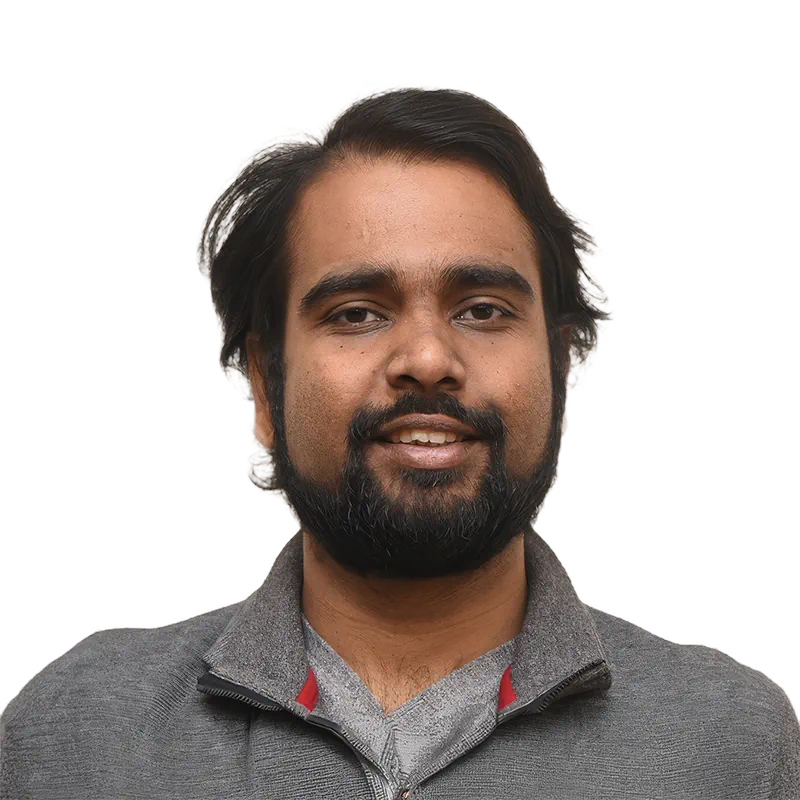
Kaushik Mukherjee
Associate Professor
IIT Delhi
- Human Movement Analysis
- Implant Design
- Musculoskeletal Loading
- Orthopedic Biomechanics
- Sports Injury Prevention

Amy Robinson
Market Lead
Delsys Europe
- Muscle Behavior
- Signal Processing Techniques
- Sport Science

Rohit Kumar Thapa
Assistant Professor
Symbiosis School of Sports Sciences
- Complex Strength Training
- Injury Prevention Strength & Conditioning
- Muscle Function
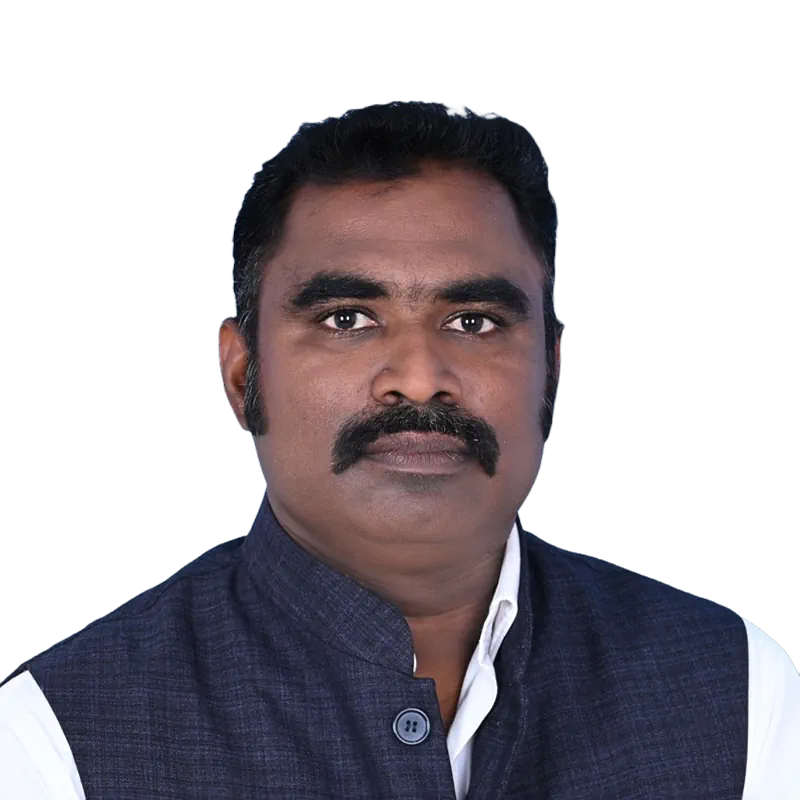
Rajinikumar Palaniyappan
Professor and Head
Tamil Nadu Physical Education and Sports University
- Kinanthropometry
- Muscle Coordination
- Neuromuscular Assessment
- Sports Performance

Bhawna Shiwani
Director of Research
Delsys
- Computer Vision
- Human Computer Interaction
- Robotics
- Sensor Fusion
- Signal Processing
- Virtual Reality

Vineet Vashista
Associate Professor
Indian Institute Of Technology Gandhinagar
- Cable-driven Robotics
- Human Movement Adaption
- Human-robot Interaction
- Wearable & Rehabilitation Robotics
Frequently Asked Questions
How long is the Access to Science program?
The Access to Science program is five (5) years in duration.
What is the funding amount per PhD student?
Up to ₹20 lakhs INR per student towards stipend, fee, equipment, travel, and consumables.
When is the application deadline?
Applications open annually on 15 June and close on 31 October. Please refer to the schedule below:
| Year | Application Opens On | Deadline | Number of Awards per Year |
|---|---|---|---|
| Year 1 | 15 June 2026 | 31 October 2026 | 5 |
| Year 2 | 15 June 2027 | 31 October 2027 | 5 |
| Year 3 | 15 June 2028 | 31 October 2028 | 5 |
| Year 4 | 15 June 2029 | 31 October 2029 | 5 |
| Year 5 | 15 June 2030 | 31 October 2030 | 5 |
Is the program specific to India?
The program is specific to India. Qualified PhD candidates must be based in India and have completed the eligibility requirements to pursue a PhD at a private or public university in India.
I have not been assigned a PhD supervisor. Will this disqualify me?
Not having an assigned PhD supervisor will not disqualify you. Financial and equipment support will only be released after your supervisor has been verified.
I have been awarded a stipend and financial assistance to initiate my PhD project. I only need partial financial support to enhance my research skills and attend conferences. Do I qualify for Access to Science?
The scholarship provides supplemental support to enhance research skills and research collaboration throughout the PhD tenure. To demonstrate your financial need, please complete the Justification for Funding budget sheet included in the Application Package.
The lab I am joining has older EMG technology. If I am awarded the scholarship, am I allowed to exchange or replace the existing EMG technology with Delsys technology?
You can replace your current EMG technology with Delsys EMG technology to support your approved PhD research.
Am I allowed to take the EMG equipment with me after completing my PhD?
The scholarship awards the EMG equipment directly to you. However, the department and administrative office determine how the asset transfers
After receiving the award, if unforeseen circumstances require me to relocate to another university or department, am I allowed to transfer the funds and EMG equipment to the new department or university?
Before relocating, you must justify a clear reason for the move and get approval from both your work group and the De Luca Foundation. [1]
How long will financial support be provided?
The funding commitment is for three years and may be extended up to four years with prior authorization from the De Luca Foundation and the department.